Locksmith · Port Colborne
Tips and plain talk
The advice here is the kind you would get from a friend in the trade over a kitchen table: what matters, what does not, what to do about it. Locks for homes, keys for cars, hardware for businesses, and the sensible habits that keep all of them working.
- Issue 1Key Fob Programming: what shapes the quoteOn many vehicles, no, not for the fobs already working: adding a fob to the accepted list does not change how they behave. Some procedures instead need every retained fob present and re-registered…Read
- Issue 2Lost Keys — Same-Visit Rekey: how the work is doneHow much a lost key matters depends on what was lost with it. A ring that dropped into a lake on a canoe trip tells nobody where it fits, so the rekey is a tidy precaution.Read
- Issue 3Master Key System Design: preparing for the visitA new hire at the shop gets handed whatever spare key happens to be in the drawer, and it turns out to open the stockroom, the back office and the safe room all at once. The owner realizes nobody…Read
Curious about the process?
Lockout Services
My lock is a high-security model. Can it still be opened?
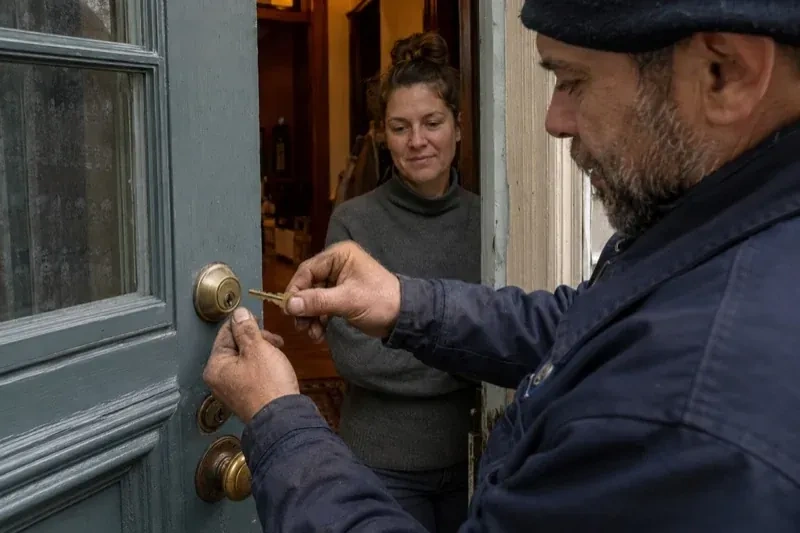
Yes. High-security cylinders with security pins, sidebars or restricted keyways are designed to slow an intruder, and they do slow a locksmith too, but they open with the right technique, a decoder made for that keyway, or as a last resort a precise drill through the cylinder followed by a like-for-like replacement. Bring any key card or code card that came with the lock, since restricted keys are cut from those records rather than copied. Home Lockout Service
This is the third time this door has locked someone out. Is something wrong with the hardware?
It can be. A cylinder that is worn, a strike plate that has shifted, or a latch that no longer seats squarely will all produce repeat lockouts even though the key looks fine. The locksmith checks the alignment of the door and frame, tests how smoothly the latch throws, and looks at wear inside the cylinder before simply letting you back in. If the hardware is the cause, fixing that during the same visit is usually quicker than calling again next month. Business Lockout Service
My key has a chip in it. Does that survive the break?
Usually yes. The transponder chip and the remote electronics live in the plastic head, and the head is the part that stays in your hand when the blade snaps. Once the blade is extracted, a new blade of the right profile is cut and fitted to the old head, so the vehicle continues to recognize the chip without reprogramming. Only a cracked or soaked head needs the electronics moved to a new shell. Broken Key Extraction
Will my door be boarded up, or can it be made to lock tonight?
Most forced doors lock again during the visit. If the slab and frame are sound, a new lockset goes in and the strike is reinforced. If the jamb is split, a repair plate or a boxed strike screwed into the stud usually holds it. Boarding is reserved for openings where the frame or the door itself is destroyed, and even then it is fitted so the household can get out from inside without a key. Break-In Damage Lock Repair
Change or Rekey Locks
Can the entry door of my condo suite be rekeyed?
Often, but check with your property management first. Condominium corporations have a right to enter a unit on reasonable notice, and without notice in an emergency, and many buildings ask that suite doors stay on a system the corporation can open or that a key be lodged with management. Lobby, garage and locker-room doors belong to the corporation and are theirs to manage. A locksmith will ask about your building's rule and work within it. Lock Rekeying
What is the difference between a deadbolt and the lock in my door knob?
The knob or lever holds the door shut with a spring latch: a bevelled tongue that snaps into the frame and can be pushed back by anything slid into the gap. A deadbolt is a solid rectangular bar driven by the key or thumb-turn alone, and when fully thrown it locks in place so it cannot be pressed back from the edge. The knob keeps the door closed; the deadbolt keeps it locked. Deadbolt Installation
I have just bought a house. What should I do about the locks?
Assume that copies of the old keys exist somewhere and act on the day you take possession. Walk every exterior door with the locksmith, keep hardware that is sound and have it rekeyed to a new key, replace hardware that is worn or too light, and add a deadbolt to any door that lacks one. Ask for everything to be keyed alike so you leave with one key and a known number of copies. Lock Replacement & Upgrade
Can the lock be made more secure while keeping it original?
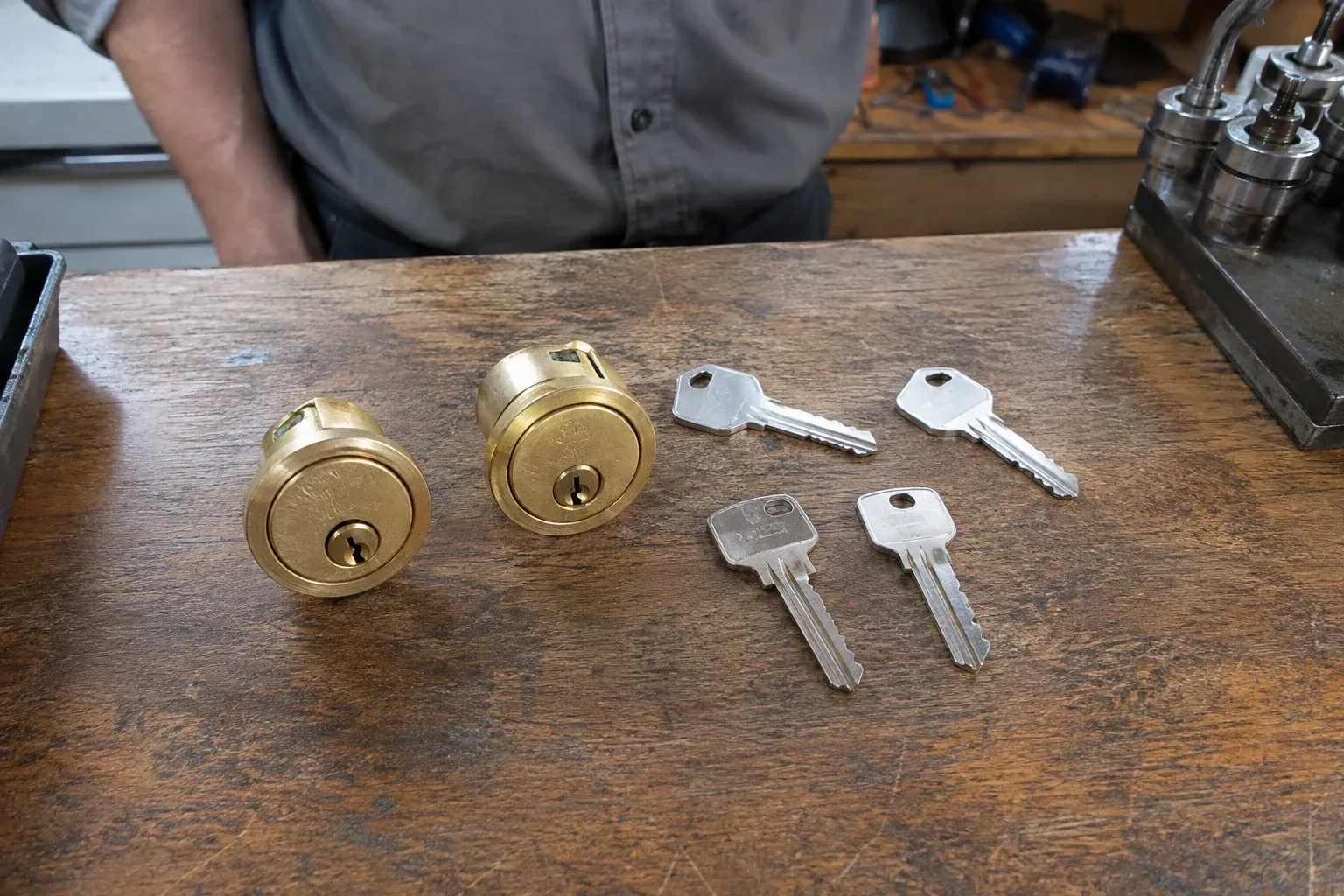
Yes, within reason. A later mortise case can take a modern high-security cylinder of the right thread and cam, chosen for its pick resistance; stopping casual key copying is a separate question, answered by fitting a restricted or patented key system alongside it. Longer screws into the strike and a properly seated deadbolt add more than most people expect. For a bit-key lock, the practical gains are a full-throw deadbolt and a good strike; if more is wanted, a separate modern deadbolt above it leaves the original lock untouched. Vintage Mortise Lock Service
High Security Locks
What should I have ready before the visit?
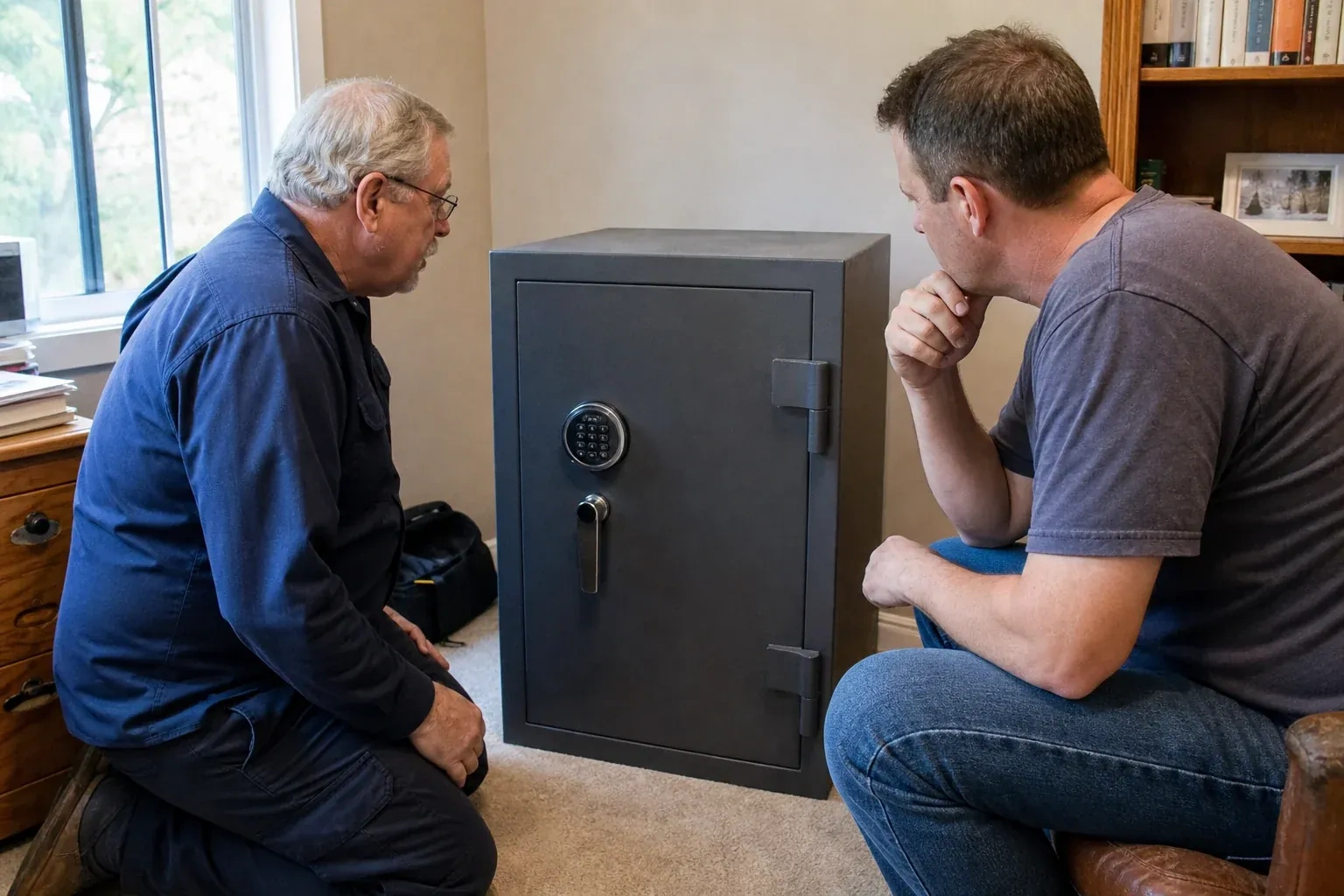
The safe's brand and model if you know them, whether the lock is a dial, a keypad or a key, roughly how old the safe is, and how the combination was lost or forgotten. Mention whether the safe holds anything with its own handling needs, such as firearms or business records, and how many people should have the new code afterward. Safe Opening & Combination Change
How do I prepare the room before a servicing visit?
Clearing a working space in front of the safe, moving anything stacked against or on top of it, and having a rough idea of when it was last serviced all help the visit start smoothly. If the combination or code is still known, having it on hand avoids needing to open the unit by other means first. Nothing more elaborate than that is generally needed beforehand. Safe Installation & Servicing
What proof do I need to show before locks are changed?
The locksmith confirms that the person ordering the work is entitled to change the locks: the owner, a tenant with the landlord's agreement, or a property or facilities manager for a business. Photo identification and something linking you to the address usually settle it, and for a company a letter or a call to the named contact does the same. It protects you as much as anyone, since the same check stops someone else from changing your locks. High Security Locks
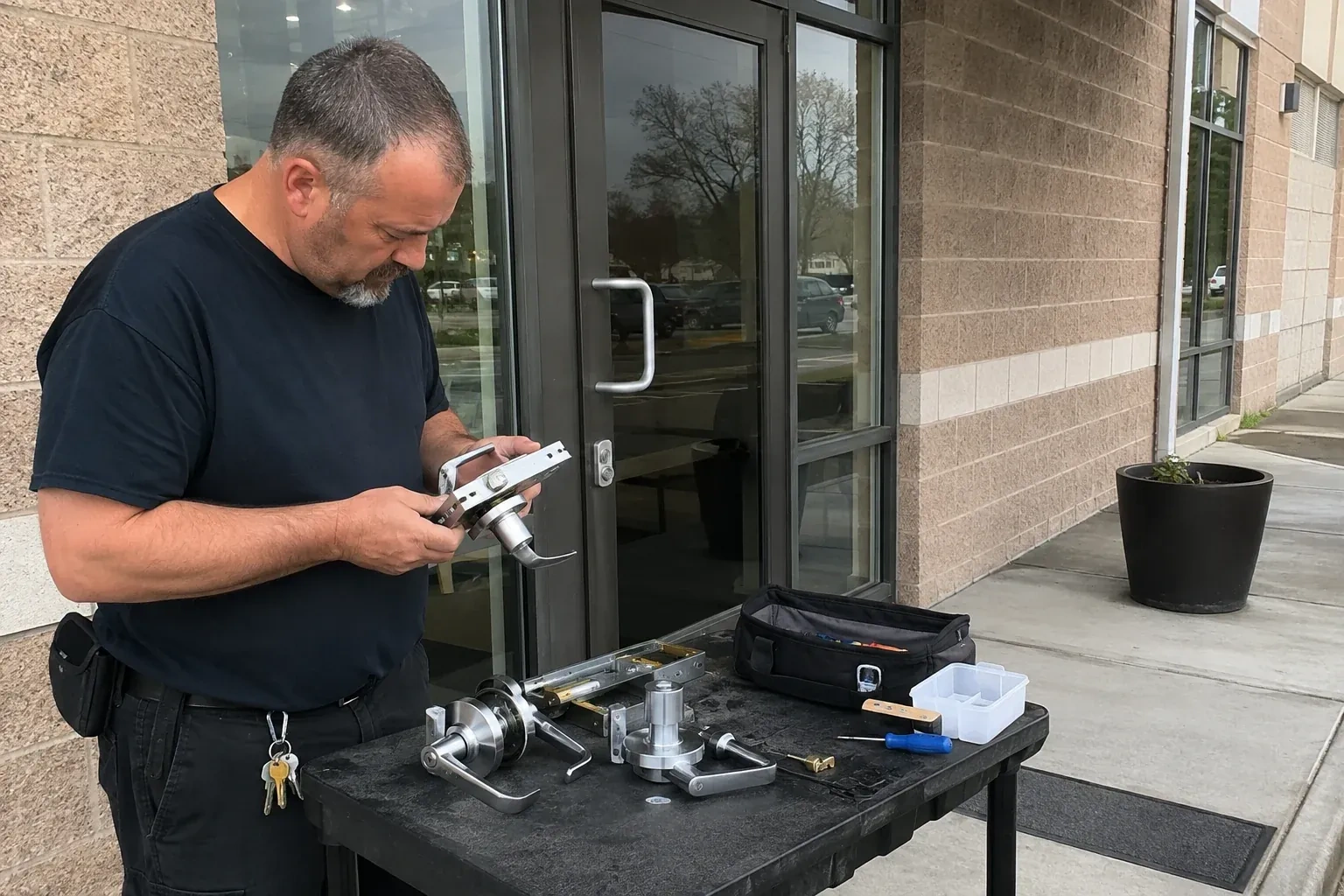
Commercial Locks
How long should we set aside for a commercial rekey?
It depends on the count and the mix. A shop with a front door, a back door and a stockroom is a short visit; an office suite with a dozen lever sets, a master key plan and a mailbox takes a good part of a day. Interchangeable cores are the shortest of all, since they are swapped rather than repinned on site. The locksmith gives a time estimate at the assessment, once every cylinder has been counted. Commercial Rekeying
What is a master key system, in plain terms?
It is a set of keys arranged in levels rather than issued one at a time. An individual change key opens one door, or a small group of doors keyed alike. A sub-master opens a defined group of doors, such as everything on one floor. A single top-level master opens the whole set. The levels are designed around who actually needs each one, then cylinders are pinned to match, so the physical keys follow an organization's real structure instead of years of informal copying. Master Key System Design
What happens to the doors if the power goes out?
Outage behaviour depends on how that opening was built: battery backup can be sized to carry the reader, the lock and the controller through a typical outage, so a brief power loss need not lock anyone out or, on a fire-alarm-tied opening, lock anyone in, but that backup and any mechanical key override are specified per opening rather than assumed for every door. Fail-safe hardware unlocks once power has been out longer than the backup lasts; fail-secure hardware stays locked, and what opens it depends on the hardware chosen. Access Control Installation
What if the existing device is old and no replacement part is available?
Where a specific replacement part cannot be sourced for an older device, the practical route is usually to replace the whole exit device with a current one built for the same door, rather than leave a partially working device in place. This is decided case by case once the existing hardware and door preparation have been examined, since the new device still has to suit the same opening. Panic & Exit Hardware
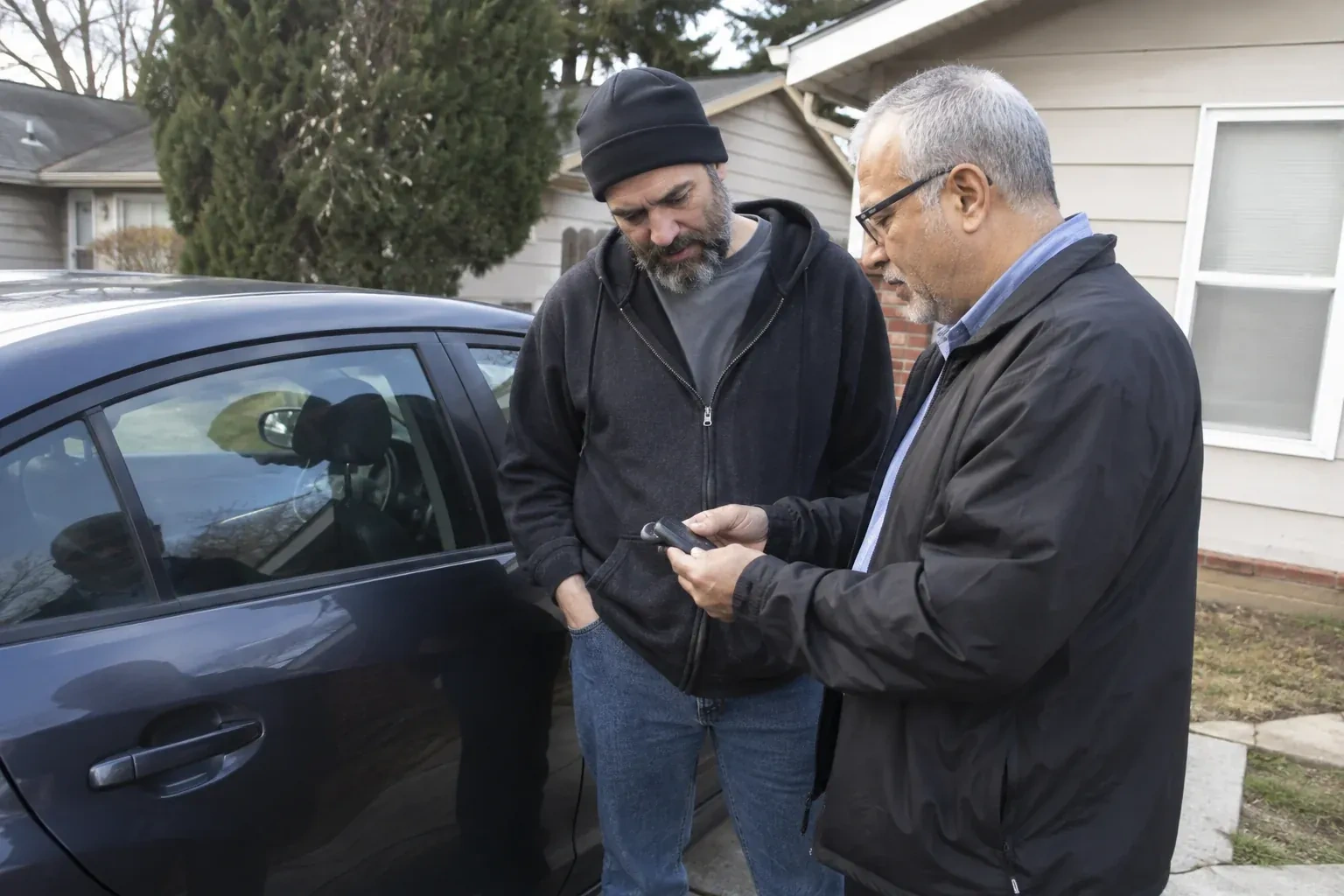
Car Keys
It is a rental or a company vehicle. Can you open it for me?
Yes, with the paperwork that fits. For a rental, the agreement in your name plus photo identification does the job; the rental company's roadside line may also want a call, and the locksmith can leave a written note of what was done for the return desk. For a company vehicle, a fleet manager or supervisor who can confirm you are assigned to it settles the question, and the same note keeps the fleet's records straight. Car Lockout Service
How many keys should a car have?
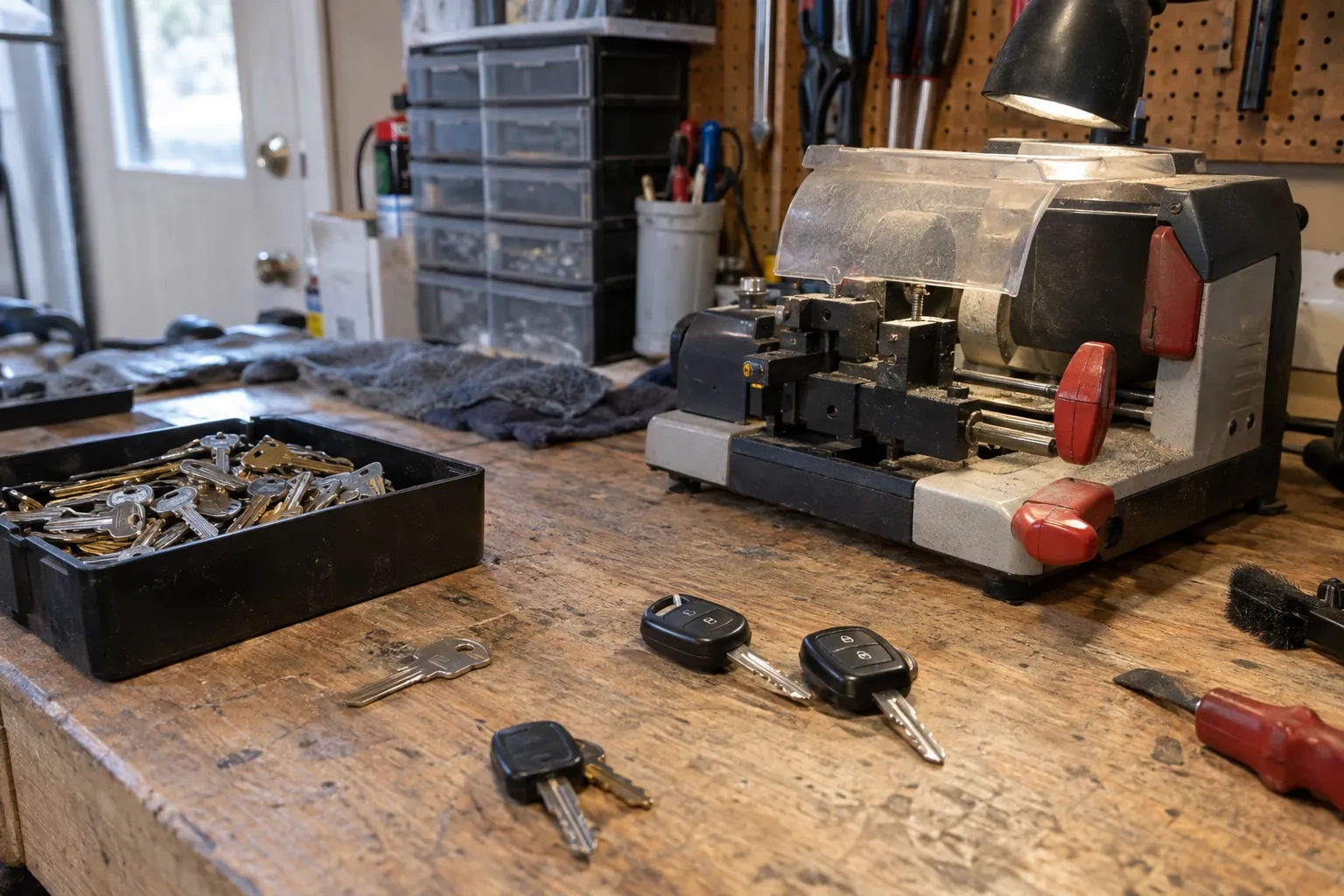
Two working keys is the sensible minimum, and it is what most vehicles left the factory with. One lives on your ring; the other lives somewhere safe away from the car. With two, any future key work is an add-a-key job rather than a reset from nothing. Households that share a vehicle, or owners with a remote starter on one fob and a plain key for the valet, sometimes prefer three. Car Key Replacement
What if I have lost track of how many keys already exist for the car?
That is worth mentioning when you call, since it changes the plan. If the count is genuinely unknown, or a key was lost at some point and never accounted for, reprogramming the vehicle to accept only the keys currently in hand is often the sounder route, rather than adding a new spare on top of an uncertain set that might include a key nobody can locate anymore. Spare Car Key Duplication
Why do my fob's buttons work but the car still won't start?
This usually points to two separate systems handling two separate jobs: the remote's buttons operate the locks and alarm over radio, while a hidden chip in the fob authorizes the engine to start once it is recognized inside the vehicle. When one half is registered and the other isn't, or a chip has failed, the buttons keep working while starting authorization does not. Key Fob Programming
On-site assessment preferred
Request a visit
Call about rekeying your new home. Send a photo of the lock.